What Are Heavy Equipment Liquidation Services and How Do They Work? Complete Beginner Guide
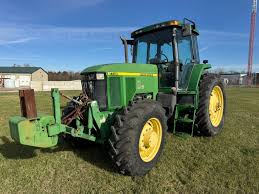
heavy equipment liquidation services are professional solutions that help businesses sell heavy machinery, construction equipment, industrial tools, and other valuable assets in an organized and efficient way. Many companies use these services when they need to reduce inventory, close a business location, upgrade equipment, or free up capital.
Heavy equipment is expensive and often difficult to sell quickly. Unlike smaller products, large machinery requires proper evaluation, marketing, transportation planning, and communication with buyers. This is why many businesses choose heavy equipment liquidation services instead of trying to sell equipment themselves.
In simple words, these services help businesses turn unused or unwanted equipment into cash through a structured selling process.
This guide explains everything in easy English so that even a school-going student can understand how heavy equipment liquidation services work and why they are important.
Understanding heavy equipment liquidation services and why businesses use them
Before learning how the process works, it is important to understand the purpose of heavy equipment liquidation services.
Liquidation simply means selling assets to recover their value. In this case, the assets are heavy machines and equipment.
Businesses use these services when equipment is no longer needed or when they want to replace older machines with newer ones.
What types of equipment are included?
Heavy equipment can include many different machines such as:
- Excavators
- Bulldozers
- Wheel loaders
- Cranes
- Forklifts
- Backhoes
- Generators
- Industrial machinery
- Agricultural equipment
These machines are expensive investments, so selling them properly is important.
Why companies choose liquidation services
There are many reasons businesses choose heavy equipment liquidation services.
Some common reasons include:
- Company expansion
- Business downsizing
- Equipment upgrades
- Closing a business location
- Financial restructuring
- Reducing maintenance expenses
- Freeing up storage space
Instead of allowing equipment to sit unused, companies prefer converting it into working capital.
Why selling heavy equipment is challenging
Selling heavy machinery is not as simple as selling everyday products.
Some common challenges include:
- Finding qualified buyers
- Determining fair market value
- Managing transportation
- Handling paperwork
- Advertising equipment properly
Heavy equipment liquidation services simplify these tasks.
Benefits of professional liquidation support
Professional assistance offers several advantages.
These include:
- Faster selling process
- Better organization
- Increased buyer reach
- Proper pricing strategies
- Reduced business stress
These benefits make the entire process more efficient.
Importance of proper equipment valuation
One of the first steps is determining equipment value.
Value depends on several factors such as:
- Age of the machine
- Operating condition
- Maintenance history
- Market demand
- Usage hours
Accurate pricing helps attract serious buyers.
Difference between liquidation and regular selling
Regular selling often means a business sells one machine at a time.
Liquidation usually involves multiple assets and a complete selling strategy.
The goal is to sell equipment efficiently while maximizing overall value.
How heavy equipment liquidation services work step by step
Understanding the actual process helps businesses know what to expect.
Although every situation is different, the general process follows several important stages.
Initial assessment
The process usually starts with an assessment.
Professionals gather information about:
- Equipment types
- Equipment quantity
- Physical condition
- Operational status
- Ownership records
This creates a clear picture of the available assets.
Equipment inspection
After assessment, equipment is inspected carefully.
This inspection may include:
Physical condition evaluation
Professionals check:
- Engine performance
- Hydraulic systems
- Tires or tracks
- Structural condition
- Overall functionality
Maintenance review
Service records are reviewed to understand the machine's history.
Good maintenance records often increase buyer confidence.
Inventory creation
The next step is creating a complete inventory list.
This inventory includes:
- Equipment names
- Specifications
- Serial numbers
- Production years
- Condition reports
This information helps buyers understand what is available.
Market research
Before selling begins, market demand is analyzed.
This research helps determine:
- Buyer interest
- Equipment demand
- Competitive pricing
- Selling opportunities
Good market research increases success.
Creating a sales strategy
A selling plan is then developed.
The strategy may depend on:
- Number of machines
- Equipment condition
- Business goals
- Desired timeline
Every business may need a different approach.
Preparing equipment for sale
Presentation is important in any sales process.
Equipment may be prepared by:
- Cleaning machinery
- Performing minor repairs
- Organizing documents
- Taking photographs
Good presentation attracts more buyers.
Marketing the equipment
Heavy equipment liquidation services also involve marketing.
Marketing may include:
- Professional listings
- Equipment descriptions
- Photo galleries
- Buyer communication
The goal is to reach interested buyers efficiently.
Buyer screening
Not every interested person becomes a buyer.
Buyer screening helps identify serious customers.
This process may include:
- Verifying financial ability
- Confirming purchase interest
- Answering questions
This saves time for everyone involved.
Negotiation process
Once buyers are interested, negotiations begin.
Negotiation may involve:
- Pricing discussions
- Purchase terms
- Equipment availability
- Delivery timelines
The objective is to reach a fair agreement.
Documentation management
Paperwork is an important part of the process.
Documents may include:
- Ownership records
- Sales agreements
- Equipment information
- Transfer paperwork
Organized documentation reduces complications.
Transportation coordination
Heavy equipment often requires special transportation.
Transportation planning may involve:
- Scheduling delivery
- Loading machinery
- Route planning
- Safety procedures
This ensures equipment reaches its destination safely.
Closing the transaction
Once all steps are complete, the sale is finalized.
This includes:
- Payment processing
- Ownership transfer
- Final verification
At this stage, the business successfully converts equipment into funds.
Industries that benefit from liquidation services
Many industries use heavy equipment liquidation services.
Some examples include:
Construction companies
Construction firms frequently replace old machinery.
Agriculture businesses
Farm operations may upgrade tractors and agricultural equipment.
Manufacturing industries
Factories often sell older industrial machines.
Mining companies
Mining operations regularly update equipment.
Transportation businesses
Logistics companies may replace specialized vehicles.
How liquidation improves business efficiency
Unused machinery creates several problems.
It can:
- Occupy valuable space
- Increase maintenance costs
- Reduce operational efficiency
Liquidation helps solve these problems.
Common mistakes businesses should avoid
Businesses sometimes make mistakes when selling equipment.
Common mistakes include:
Delaying the selling process
Unused equipment loses value over time.
Ignoring maintenance records
Missing records may reduce buyer confidence.
Setting unrealistic prices
Very high prices may discourage buyers.
Poor equipment presentation
Unclean equipment may appear less valuable.
Avoiding these mistakes improves results.
Long term advantages of liquidation services
Heavy equipment liquidation services offer long term benefits beyond immediate cash generation.
These benefits include:
- Better inventory management
- Improved business flexibility
- Reduced storage costs
- Better operational planning
- More efficient asset management
Businesses become more adaptable to changing market conditions.
Why planning is important
A successful liquidation process requires proper planning.
Businesses should think about:
- Their financial goals
- Future equipment needs
- Available resources
- Desired selling timeline
Planning reduces stress and improves outcomes.
Final thoughts
heavy equipment liquidation services help businesses sell valuable machinery in a structured, organized, and efficient way. Instead of struggling to sell equipment independently, businesses can use a professional process that simplifies everything from valuation to final sale.

About Premium Author
This post has been authored and published by one of our premium contributors, who are experts in their fields. They bring high-quality, well-researched content that adds significant value to our platform.
You Might Also Like
Popular Categories
Stay Connected
Recent Posts